The Tortoise Bankroll: How Modest Bettors Are Quietly Beating the Big Spenders at Their Own Game
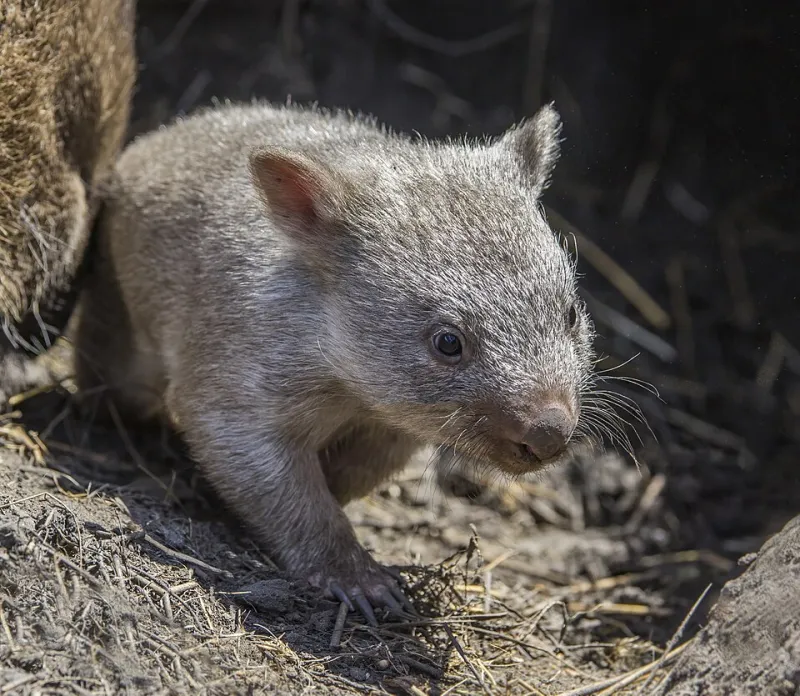
Photo: Charles J. Sharp, CC BY-SA 4.0, via Wikimedia Commons
There's a certain theatre to the high roller. Big bets, big swings, the occasional roar of a massive payout echoing through the live dealer lobby. It's the peacocking end of casino culture, and it's easy to assume that's what 'real' gambling looks like.
But run the actual numbers, and a different animal emerges from the undergrowth — the modest, consistent bettor who plays small, plays long, and quietly gets more out of every dollar than the table shark ever will.
The Brutal Maths of Betting Big
Let's keep it simple. Say you've got a $200 bankroll for the night.
Bet $10 a spin at a pokie with a 96% RTP, and you're expected to lose roughly 40 cents per spin. Sounds harmless — until you realise that at a spin every four seconds, you're churning through $150 an hour in total wagers, with an expected cost of around $6 per hour. The problem isn't the expected cost. It's the variance. At $10 a spin, a cold streak of 20 losing spins — completely normal — wipes out your bankroll before you've settled in.
Now drop to $1 a spin. Same game, same RTP. That same cold streak costs you $20, a bruise rather than a knockout. Your $200 might realistically buy you a full evening's entertainment instead of a highlight reel that lasts twenty minutes.
Why Grazing Beats Gorging
The low-stakes approach — call it grazing — has three quiet advantages the high rollers don't talk about:
More entertainment per dollar. Casino play is fundamentally paid entertainment. The player who stretches $200 across three hours has extracted far more value than the one who torched it in a quarter of that time.
Fewers catastrophic nights. Big bets don't just lose bigger — they tilt bigger. A brutal loss at high stakes invites chasing; a small loss is easier to shrug off and walk away from. Grazing keeps your decision-making intact.
More decisions, more skill. At low stakes you play more hands, more spins, more rounds. That's more practice, more pattern recognition, and a better feel for the games you actually enjoy.
The Ego Problem
So why doesn't everyone graze? Because small bets don't feed the ego. There's a status game baked into gambling culture, and the modest bettor can feel like they're doing it 'wrong.'
But the jungle has never rewarded the loudest animal — it rewards the one still around tomorrow. The high roller is the sprinting gazelle, spectacular and short-lived. The grazer is the wombat: unglamorous, methodical, and remarkably hard to eliminate.
Make Small Bets Work Harder
If you're converting to the grazing life, a few tips:
- Pick games with high RTP and low-to-medium volatility so your bankroll stretches predictably.
- Set a session length goal, not just a loss limit — the whole point is maximising playtime.
- Use smaller denominations and adjust bet levels down, not up, when you're winning. Let the session breathe.
The big bets will always get the attention. But out here in the long grass, patience isn't just a virtue — it's the whole strategy.